
Artificial Intelligence (AI) is no longer a futuristic concept—it’s the driving force behind modern digital marketing. In 2026, businesses of every size are using AI to create better customer experiences, improve marketing performance, automate repetitive tasks, and make smarter decisions based on data. Whether you’re a freelancer, small business owner, startup, or enterprise marketer, understanding how AI is transforming digital marketing is essential for staying competitive.
In this article, we’ll explore the biggest ways AI is changing digital marketing in 2026 and how you can use it to grow your business.
What Is AI in Digital Marketing?
AI in digital marketing refers to the use of artificial intelligence technologies to automate, optimize, and improve marketing activities. These technologies analyze large amounts of data, recognize patterns, predict customer behavior, and generate insights that help marketers make better decisions.
Today, AI is used for content creation, search engine optimization (SEO), email marketing, social media management, advertising, customer support, personalization, and much more.
1. AI-Powered Content Creation
Creating high-quality content consistently has always been one of the biggest challenges for marketers. AI tools now help generate blog posts, social media captions, email campaigns, video scripts, and ad copy within minutes.
However, successful marketers don’t simply publish AI-generated content. They use AI to create a strong first draft and then improve it with personal experience, expert insights, real-world examples, and brand voice.
This combination of AI efficiency and human creativity produces content that is both engaging and trustworthy.
2. Smarter SEO Strategies
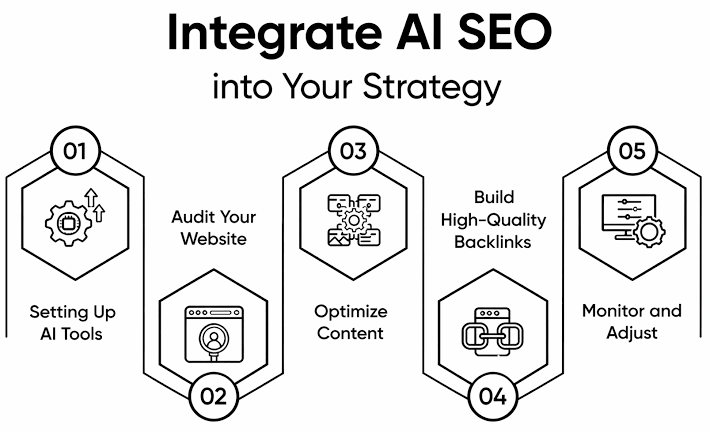
Search engine optimization has become more data-driven than ever. AI tools help marketers identify keyword opportunities, analyze competitors, optimize website structure, generate meta descriptions, and improve on-page SEO.
In 2026, SEO is no longer only about keywords. Search engines also evaluate content quality, user experience, expertise, and helpfulness. AI helps marketers understand search intent and create content that answers users’ questions more effectively.
Businesses that combine AI-powered research with original, valuable content have a greater chance of ranking higher in search results.
3. Personalized Customer Experiences
Modern consumers expect personalized experiences. AI analyzes customer behavior, browsing history, purchase patterns, and engagement to deliver personalized recommendations and marketing messages.
Examples include:
- Personalized email campaigns
- Product recommendations
- Customized website experiences
- Dynamic landing pages
- Personalized advertisements
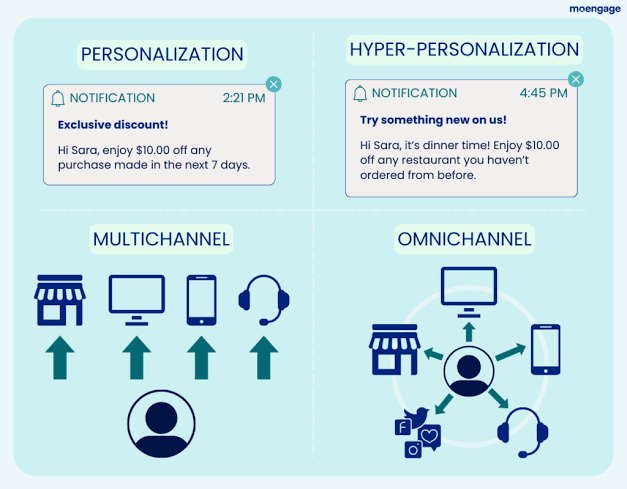
This level of personalization increases customer satisfaction, improves engagement, and boosts conversion rates.
4. AI Chatbots and Virtual Assistants
Customer support has changed dramatically with AI-powered chatbots. Instead of waiting for human representatives, customers can receive instant answers 24 hours a day.
Modern AI chatbots can:
- Answer frequently asked questions
- Recommend products
- Collect leads
- Schedule appointments
- Track orders
- Resolve simple customer issues
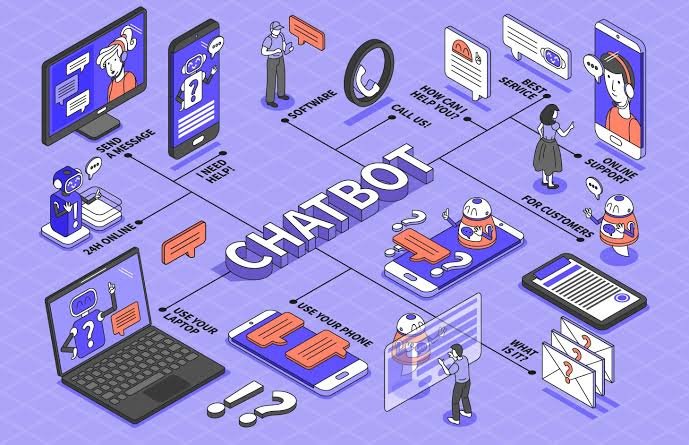
Businesses benefit from reduced support costs while customers enjoy faster responses and better service.
5. Better Advertising Performance
AI has transformed online advertising by making campaigns smarter and more efficient.
Advertising platforms now use machine learning to optimize:
- Audience targeting
- Budget allocation
- Bid strategies
- Ad placements
- Creative performance
- Conversion optimization
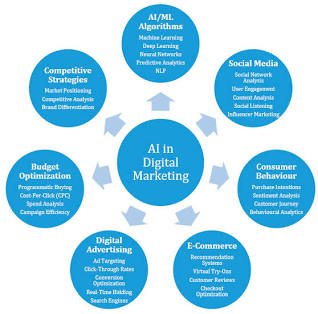
Instead of manually adjusting campaigns every day, marketers can focus on strategy while AI continuously improves campaign performance based on real-time data.
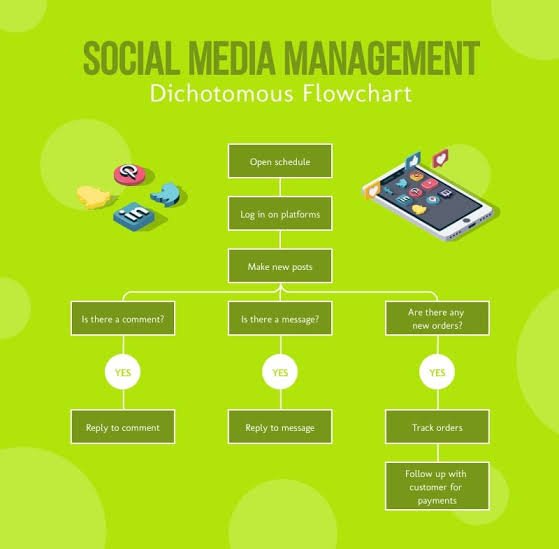
6. Social Media Management
Managing multiple social media platforms can be time-consuming. AI simplifies the process by helping marketers:
- Generate content ideas
- Write captions
- Suggest hashtags
- Schedule posts
- Analyze engagement
- Identify trending topics
AI also predicts the best posting times and recommends content formats that are most likely to perform well with your audience.
7. Faster Data Analysis
Every marketing campaign generates valuable data. AI processes this information much faster than humans, helping businesses identify trends and opportunities almost instantly.
Instead of spending hours analyzing spreadsheets, marketers receive actionable insights such as:
- Which campaigns perform best
- Which audience segments convert more
- Which keywords generate traffic
- Which products customers prefer
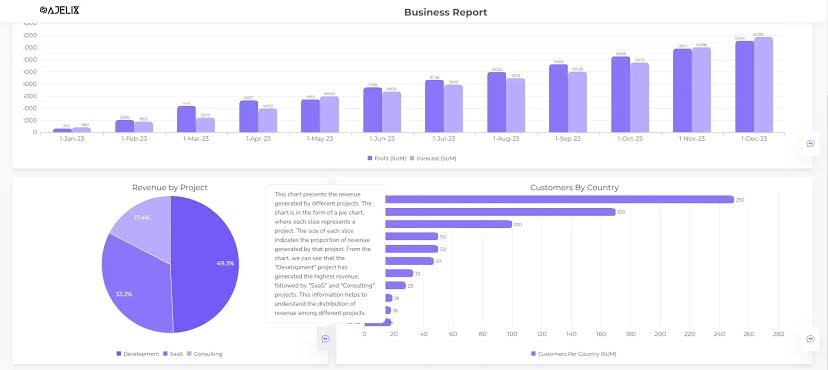
This allows businesses to make faster and smarter marketing decisions.
8. Improved Email Marketing
Email marketing remains one of the highest-return digital marketing channels, and AI has made it even more effective.
AI helps marketers optimize:
- Subject lines
- Email copy
- Send times
- Audience segmentation
- Product recommendations
- Follow-up automation
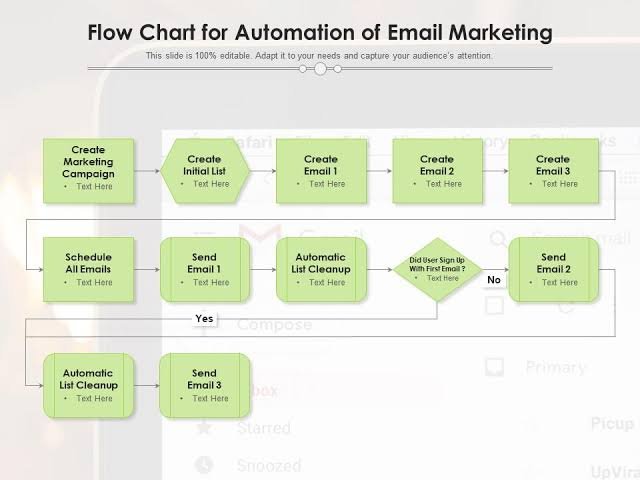
As a result, businesses achieve higher open rates, better click-through rates, and increased conversions.
9. Predictive Marketing
One of AI’s biggest strengths is prediction. By analyzing historical customer data, AI can forecast future behavior.
Businesses use predictive marketing to:
- Identify potential buyers
- Predict customer churn
- Recommend products
- Estimate future sales
- Plan marketing budgets
This proactive approach allows marketers to reach customers at the right time with the right message.
10. Marketing Automation
Marketing automation has become far more intelligent in 2026.
AI can automatically trigger actions based on customer behavior, such as:
- Sending welcome emails
- Following up on abandoned carts
- Recommending products
- Scoring leads
- Scheduling social media posts
- Nurturing prospects through automated workflows
Automation saves time while maintaining consistent communication with customers.
Challenges of AI in Digital Marketing
Despite its many advantages, AI also presents challenges.
Over-reliance on AI can result in generic content that lacks originality and emotional connection. AI-generated information should always be reviewed for accuracy, especially in rapidly changing industries.
Privacy and data protection are also important concerns. Businesses must collect and use customer data responsibly while complying with relevant regulations.
Finally, AI cannot fully replace human creativity, empathy, and strategic thinking. The most successful marketing campaigns combine AI efficiency with human expertise.
Best Practices for Using AI in Marketing
To get the most value from AI, marketers should:
- Use AI to speed up research and content creation.
- Add original insights, examples, and expertise to AI-generated content.
- Fact-check important information before publishing.
- Monitor campaign performance regularly.
- Protect customer data and maintain transparency.
- Continuously learn about new AI tools and marketing trends.
By treating AI as a powerful assistant rather than a complete replacement for human marketers, businesses can achieve better long-term results.
Conclusion
Artificial Intelligence is reshaping digital marketing in 2026 by making campaigns more intelligent, personalized, and efficient. From SEO and content creation to customer service, advertising, and predictive analytics, AI helps businesses save time while delivering better experiences for their customers.
However, technology alone is not enough. The future belongs to marketers who combine AI-powered tools with creativity, strategic thinking, and a deep understanding of their audience. Businesses that embrace this balanced approach will be better positioned to build trust, increase engagement, and achieve sustainable growth in an increasingly competitive digital landscape.